Hover flies, also affectionately nicknamed “sweat bees,” often cause confusion. With their bee-like appearance and tendency to hover close to people, some might wonder whether these tiny insects are a threat or a helpful presence. Spoiler alert—they’re not bees, and they won’t sting! Let’s take a closer look at how to identify hover flies, debunk the myths about their behavior, and uncover why they’re vital for our gardens.
How to Identify Hover Flies
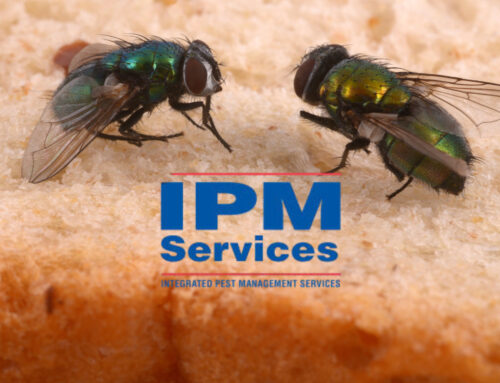
Hover flies belong to the Syrphidae family and are often mistaken for bees or wasps because of their black-and-yellow stripes. But look a little closer, and you’ll notice some key differences:
- Body Shape and Features
Hover flies are smaller than most bees, with slender, tapered bodies. Unlike bees, they lack the hairy texture used to carry pollen and instead have smooth, shiny bodies.
- Wings and Flight Patterns
They have just one pair of wings (most bees have two) and a distinctive flight pattern. True to their name, hover flies can “hover” in one spot like a helicopter before darting away quickly.
- Eyes and Legs
Their eyes are large and occupy most of their heads, giving them excellent vision. They also use their delicate legs to land on flowers and collect nectar quietly.
- Behavior Around Humans
Hover flies might approach you, especially if you’re sweating, as they are drawn to salty moisture. Don’t worry, though—they’re just curious and completely harmless.
Do Hover Flies Sting?
No, hover flies do NOT sting. Unlike bees or wasps, they don’t have stingers, nor do they produce venom. Their black-and-yellow coloration is a clever form of mimicry designed to fool predators into thinking they’re dangerous. This protective disguise helps fend off birds and other threats, but for humans, there’s no reason to panic when they buzz by.
The Secret Life of Hover Flies
Hover flies are not just harmless—they’re heroes of the natural world. Here’s why they play such an important role in the ecosystem:
- Pollinators Extraordinaire
Hover flies visit flowers to feed on nectar and, in doing so, transfer pollen between plants. This makes them critical pollinators, especially for gardens and crops.
- Pest Control
Many species of hover flies lay their eggs near aphid colonies. Once the eggs hatch, the larvae devour these pesky garden pests, acting as natural pest controllers.
- Biodiversity Boosters
Their dual role as pollinators and pest controllers contributes to healthier, more diverse ecosystems. A garden benefiting from hover flies is likely teeming with life and productivity.
How to Coexist With Hover Flies
Hover flies are your allies in the garden, and encouraging them to stick around benefits everyone. Here’s how you can create a hover fly-friendly environment:
- Plant Native Flowers
Brightly colored blooms rich in nectar, like yarrow, daisies, and marigolds, attract hover flies. Opt for native species to maximize their appeal.
- Avoid Harmful Pesticides
Chemical pesticides can harm hover flies and other beneficial insects. Instead, use organic or natural pest control methods.
- Provide Water Sources
A shallow dish of clean water with small stones or a sponge for landing can provide hover flies with the moisture they need, especially during dry spells.
- Stay Calm Around Them
If hover flies hover near you, remember they’re looking for sweat or moisture—not trying to attack. A little patience goes a long way.
Why Should We Appreciate Hover Flies?
Hover flies are unsung heroes of the natural world. They keep gardens thriving by pollinating plants and controlling pests, all while asking for very little in return. Plus, their gentle temperament makes them easy to coexist with—even if they buzz a little close for comfort.
The next time you spot one in your garden or hovering around on a warm day, take a moment to appreciate this tiny powerhouse. They may be small, but their impact is enormous—and a world with more hover flies is undoubtedly a healthier one.