When you think of household pests, your first reaction is likely one of annoyance. The buzz of a mosquito, the sight of a cockroach skittering across the floor, or the discovery of ants in your pantry are common frustrations. However, these uninvited guests are more than just a nuisance; they can pose significant health risks to you and your family. Many common pests are carriers of bacteria, viruses, and other pathogens that can cause serious illnesses.
Understanding the connection between pests and disease is the first step toward creating a safer, healthier home environment. Your house should be a sanctuary, a place where you feel protected. This guide will explore the health risks associated with common household pests and provide practical tips to safeguard your home and family.
Pests That Pose a Threat to Your Health
While many critters can find their way into your home, some are particularly notorious for the diseases they can transmit. Here are a few of the most common culprits to watch out for.
Mosquitoes: More Than an Itchy Bite
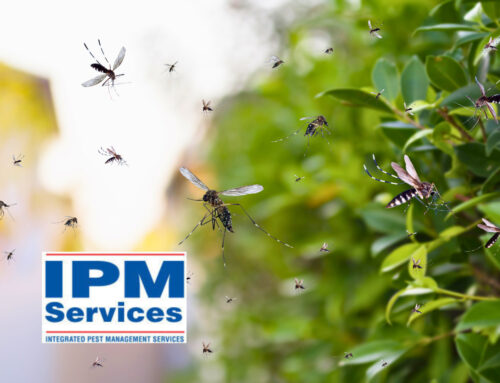
In many parts of the country, mosquitoes are an unavoidable part of summer. Their itchy bites are annoying, but the real danger lies in what they can leave behind. Mosquitoes are vectors for several serious diseases, transmitting pathogens from person to person or from animals to people through their bites.
- West Nile Virus: This is the most common mosquito-borne disease in the United States. While many people infected with West Nile Virus show no symptoms, others can develop a fever, headache, body aches, and a rash. In severe cases, it can lead to neurological diseases like encephalitis or meningitis.
- Zika Virus: Though less common in the U.S. now, Zika remains a concern, especially for pregnant women, as it can cause severe birth defects.
- Other Viruses: Mosquitoes can also transmit other viruses like dengue and chikungunya, which cause high fevers, severe joint pain, and rashes.
Ticks: Tiny Dangers in the Outdoors
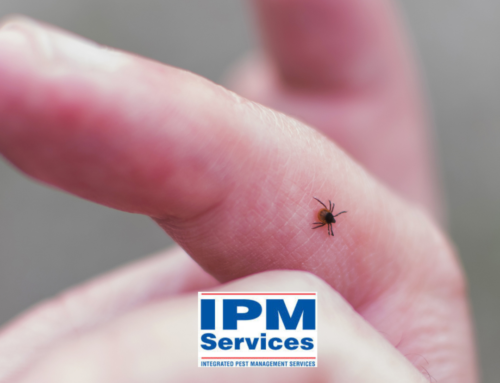
Ticks are often found in wooded areas, tall grass, and even your own backyard. These small arachnids attach to a host and feed on its blood, and in the process, they can transmit a variety of dangerous pathogens.
- Lyme Disease: This is the most well-known tick-borne illness. Early symptoms include fever, chills, headache, fatigue, and a characteristic “bull’s-eye” rash. If left untreated, Lyme disease can spread to the joints, heart, and nervous system, causing long-term health problems.
- Rocky Mountain Spotted Fever (RMSF): Despite its name, RMSF can be found in various regions. It causes fever, headache, and a rash. It can be deadly if not treated promptly with antibiotics.
- Ehrlichiosis and Anaplasmosis: These bacterial infections cause flu-like symptoms, including fever, muscle aches, and headache.
Cockroaches: A Sign of Unsanitary Conditions
The sight of a cockroach can make your skin crawl, and for good reason. These resilient pests thrive in unsanitary conditions and are known to carry a wide range of bacteria and pathogens on their bodies, which they can then spread throughout your home.
- Salmonella: Cockroaches often travel through sewers and garbage before entering your home, picking up Salmonella bacteria. They can contaminate food and kitchen surfaces, leading to food poisoning with symptoms like diarrhea, fever, and stomach cramps.
- E. coli: Similar to Salmonella, E. coli can be spread by cockroaches, causing severe gastrointestinal illness.
- Allergies and Asthma: Cockroach saliva, droppings, and shed body parts contain proteins that can trigger allergic reactions and asthma attacks, especially in children and sensitive individuals.
Rodents: Unwanted House Guests
Rats and mice are not just destructive; they are also significant health hazards. They can contaminate food, spread disease through their droppings and urine, and bring other pests like fleas and ticks into your home.
- Hantavirus: This is a rare but potentially fatal respiratory disease spread through contact with the droppings, urine, or saliva of infected rodents. Humans can become infected by breathing in aerosolized virus particles.
- Salmonellosis: Like cockroaches, rodents can contaminate food and surfaces with Salmonella bacteria, leading to food poisoning.
- Leptospirosis: This bacterial disease can be transmitted through contact with water or soil contaminated with the urine of infected animals, including rats.
How to Protect Your Home and Family
Preventing pests from entering your home is the most effective way to avoid the health risks they bring. A proactive approach can save you from dealing with an infestation and its potential consequences.
1. Seal Entry Points
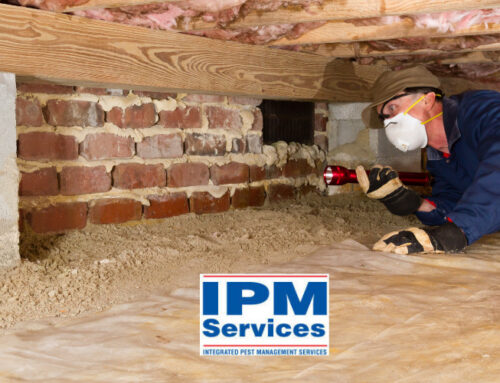
Pests can squeeze through surprisingly small openings. Conduct a thorough inspection of your home’s exterior and seal any cracks or holes you find.
- Check for gaps around windows, doors, and utility pipes.
- Use caulk or steel wool to fill small holes.
- Install screens on windows and doors, and repair any existing tears.
- Use weather stripping to seal gaps under doors.
2. Maintain Cleanliness
A clean home is less attractive to pests. By eliminating food sources and hiding places, you make your home a less hospitable environment.
- Store food in airtight containers.
- Clean up crumbs and spills immediately.
- Wash dishes promptly and don’t leave them in the sink overnight.
- Regularly empty trash cans and ensure they have tight-fitting lids.
- Declutter your home to reduce hiding spots for pests.
3. Manage Your Yard
Your yard can be a breeding ground for pests that eventually make their way inside.
- Keep grass mowed and trim overgrown vegetation.
- Eliminate standing water in birdbaths, old tires, or flowerpots to reduce mosquito breeding sites.
- Store firewood at least 20 feet from your home and off the ground.
- Keep outdoor garbage cans sealed and away from the house.
The Importance of Professional Pest Control
While DIY prevention methods are essential, some infestations require professional intervention. A pest control expert can identify the type of pest, locate the source of the infestation, and implement a targeted treatment plan that is both effective and safe for your family and pets.
Professional services offer several key benefits:
- Expertise: Trained technicians have the knowledge to handle specific pests and understand their life cycles and habits.
- Effective Treatment: Professionals have access to specialized products and equipment that are more effective than over-the-counter solutions.
- Long-Term Prevention: A good pest control company will not only eliminate the current problem but also work with you to create a long-term prevention plan to keep pests from returning.
Your family’s health and safety are too important to leave to chance. By being vigilant and partnering with a trusted pest control service, you can ensure your home remains a pest-free sanctuary.