Spring in Kentucky brings beautiful weather, blooming flowers, and the perfect excuse to spend hours outside. Families fire up the grill, hikers hit the trails, and pets spend all day lounging in the grass. Unfortunately, warming temperatures also wake up a tiny but serious threat hidden in the vegetation.
Ticks become highly active during late spring and early summer, bringing the risk of Lyme disease right to your backyard. You do not have to lock yourself indoors to stay safe this season. Taking a proactive approach allows you to enjoy the great outdoors without constant worry.
This guide provides practical steps to protect your loved ones and furry friends from tick bites. We will cover safe outdoor practices, effective personal prevention methods, and why treating your yard is the ultimate defense line. Read on to learn how to outsmart these warm-weather pests.
The Growing Threat of Ticks in Kentucky
Kentucky’s lush landscapes and humid climate create an ideal habitat for several tick species. As May and June roll around, the population of deer ticks, also known as black-legged ticks, surges rapidly. These specific ticks carry the bacteria responsible for Lyme disease.
Ticks do not jump, fly, or drop from trees as many people believe. Instead, they use a clever hunting strategy called “questing.” A tick holds onto a blade of grass or a leaf with its lower legs while keeping its upper legs outstretched. It simply waits for a passing human or animal to brush against the plant, quickly grabbing onto its new host.
Understanding how ticks operate gives you a distinct advantage in avoiding them. They thrive in humid, shady environments and die quite quickly in dry, sunny spots. This means the wooded edges of your property, damp leaf litter, and tall grassy fields act as prime real estate for these pests. Recognizing these danger zones helps you plan safer outdoor activities.
Understanding Lyme Disease and Its Risks
Lyme disease is a bacterial infection transmitted through the bite of an infected black-legged tick. The tick usually needs to be attached for 36 to 48 hours to transmit the Lyme disease bacterium. This makes early detection and prompt removal absolutely vital for your health.
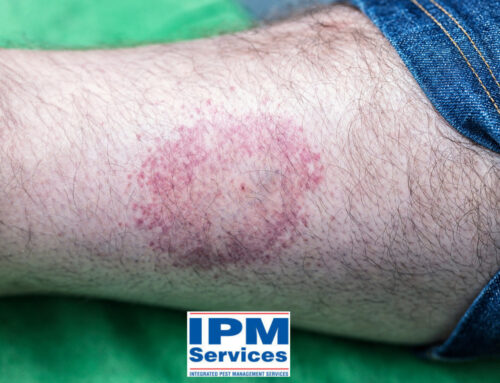
If left untreated, Lyme disease causes severe health complications for humans. Early symptoms often mimic a standard summer flu. You might experience fever, chills, fatigue, muscle aches, and swollen lymph nodes shortly after a bite. The most famous indicator is a red, expanding rash that sometimes looks like a bullseye, though this rash does not appear in every single case.
Pets, especially dogs, also suffer greatly from Lyme disease. Watch your dog closely for sudden lameness, swollen joints, loss of appetite, and general lethargy. Cats can contract the disease too, though dogs remain far more susceptible. Because pets cannot tell you they feel sick, thorough prevention and regular checking serve as your best tools for keeping them healthy.
Safe Outdoor Practices for Kentucky Families
Enjoying the Kentucky outdoors safely requires a bit of strategic planning. When you visit local parks, state forests, or nature reserves, always stay in the center of designated hiking trails. Ticks hang out on the brush and tall grass lining the edges of paths. By avoiding the perimeter, you drastically reduce your chances of picking up an unwanted hitchhiker.
Avoid walking through unmaintained fields, dense woods, and areas with heavy leaf litter whenever possible. If your outdoor plans include picnicking or camping, choose sunny, dry areas over shady, damp spots. Ticks dehydrate quickly in direct sunlight, so they naturally avoid open, sun-baked spaces.
Teach your children to recognize and avoid tall grass and brush while playing outside. If you have a playground or swing set in your yard, ensure it sits in a sunny area away from the wooded edges of your property. Creating a three-foot-wide barrier of wood chips or gravel between lawns and wooded areas also helps restrict tick migration into recreational zones.
Personal Tick Prevention Tips
Creating a physical and chemical barrier between your skin and ticks is crucial for outdoor safety. You can implement several daily habits to keep your family bite-free during the peak season.
Dress for Defense
Your clothing choices make a massive difference in tick prevention. Wear long pants, long-sleeved shirts, and closed-toe shoes when venturing into wooded or grassy areas. Tuck your shirt into your pants, and tuck your pants securely into your socks. This forces ticks to crawl on the outside of your clothing where you can easily spot them.
Always opt for light-colored clothing when spending time in tick habitats. Light colors make it much easier to see tiny, dark ticks crawling up your legs before they reach your skin. Keep your hair pulled back or wear a hat to prevent ticks from hiding in your scalp.
Apply the Right Repellents
Use Environmental Protection Agency (EPA) registered insect repellents containing DEET, picaridin, IR3535, or oil of lemon eucalyptus on exposed skin. Always follow the product label instructions carefully, especially when applying repellent to small children. Reapply the spray as directed if you plan to stay outside for several hours.
For added protection, treat your clothing, boots, and camping gear with products containing 0.5% permethrin. Permethrin remains protective through several washings and actually kills ticks on contact. You can also buy outdoor clothing pre-treated with permethrin for long-lasting defense.
The Crucial Post-Activity Tick Check
Performing a thorough tick check immediately after spending time outdoors is non-negotiable. Ticks often crawl around for hours looking for a warm, hidden spot to attach. Use a hand-held or full-length mirror to view all parts of your body clearly.
Pay special attention to areas under the arms, in and around the ears, inside the belly button, behind the knees, between the legs, and around the waist. Showering within two hours of coming indoors helps wash off unattached ticks and provides a great opportunity to do a full-body check. Additionally, toss your outdoor clothes directly into the dryer on high heat for ten minutes to kill any ticks hiding in the fabric.
Keeping Your Pets Safe from Tick Bites
Dogs and cats spend significant time exploring bushes, rolling in grass, and sniffing around tree trunks. This natural behavior makes them highly vulnerable to tick bites. Talk to your veterinarian about the best tick prevention products for your specific pet’s lifestyle. Options include monthly oral medications, topical treatments, and specialized tick collars.
Never use a dog tick product on a cat. The active ingredients used for dogs are often highly toxic to felines and can cause fatal reactions. Keep cats indoors if possible, as roaming outside increases their exposure to ticks and other wildlife.
Make a daily habit of checking your pets for ticks every single time they come inside. Run your fingers through their fur with gentle pressure to feel for any small bumps. Pay close attention to the areas around their eyelids, under their collars, inside their ears, under their front legs, between their toes, and around their tails.
If you find an attached tick on yourself or your pet, use fine-tipped tweezers to grasp the tick as close to the skin’s surface as possible. Pull upward with steady, even pressure without twisting or jerking. Clean the bite area thoroughly with rubbing alcohol or soap and water.
The Importance of Professional Yard Pest Control
Personal prevention methods work well, but treating the source of the problem offers the most peace of mind. Your backyard should be a safe haven for summer barbecues and family relaxation, not a breeding ground for disease-carrying pests. Relying solely on DIY sprays from the hardware store rarely cuts it during the peak of Kentucky’s tick season.
Store-bought solutions often wash away with the first summer rain. They also fail to reach the deep harborage areas where ticks hide and breed. Professional pest control services provide a targeted, comprehensive approach to yard protection that actually works.
Licensed technicians understand tick biology, behavior, and the specific seasonal challenges in Kentucky. They know exactly where ticks breed and rest on your property. By applying specialized, professional-grade treatments to the perimeter of your yard, shady areas, and shrubbery, experts create an invisible barrier. This targeted application drastically reduces the tick population before they can reach your lawn.
Furthermore, pest control professionals identify structural issues in your yard that attract pests in the first place. They will point out overgrown vegetation, poorly placed woodpiles, and damp leaf accumulation that needs clearing. This combination of targeted treatments and expert yard management advice keeps your property protected all season long.
Take Action Against Ticks This Summer
Protecting your family from ticks and Lyme disease requires a smart, proactive approach. By dressing properly, using effective repellents, checking for ticks daily, and sticking to safe outdoor areas, you minimize your risk significantly. However, true peace of mind starts right at home in your own backyard.
Do not let the fear of ticks ruin your late spring and early summer plans. Professional yard treatments ensure your family and pets can enjoy your outdoor space safely. Contact a professional pest control team today to schedule a comprehensive yard evaluation and treatment plan. Take back your backyard and focus on making wonderful summer memories instead of worrying about pest bites.