With the recent discovery of mosquitoes testing positive for West Nile virus in Kentucky, it’s important to stay informed and take proactive steps to safeguard yourself and your family. While West Nile virus (WNV) is not new, its presence in local mosquitoes serves as a reminder of the risks posed by these tiny yet dangerous insects. This blog will provide an overview of the virus, how it spreads, symptoms to look out for, and actionable tips to reduce exposure to mosquitoes and the diseases they carry.
What Is West Nile Virus?
West Nile virus is a mosquito-borne illness that affects humans, birds, and other animals. First identified in Uganda’s West Nile district in 1937, the virus has since spread across the globe, particularly in warmer climates where mosquito populations thrive.
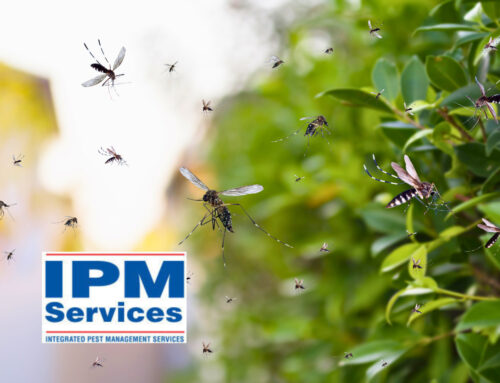
The virus primarily spreads through the bite of an infected Culex mosquito, a common species in the United States. Mosquitoes become infected after feeding on birds carrying the virus, which acts as the primary reservoir. Humans and other mammals are considered “dead-end hosts,” meaning they do not spread the virus to others.
Symptoms of West Nile Virus
Most people who contract West Nile virus will have no symptoms at all—an estimated 8 out of 10 infected individuals remain asymptomatic. However, for the 1 in 5 who develop symptoms, the illness can range from mild to severe.
Common Symptoms
- Fever
- Headache
- Body aches
- Fatigue
- Nausea or vomiting
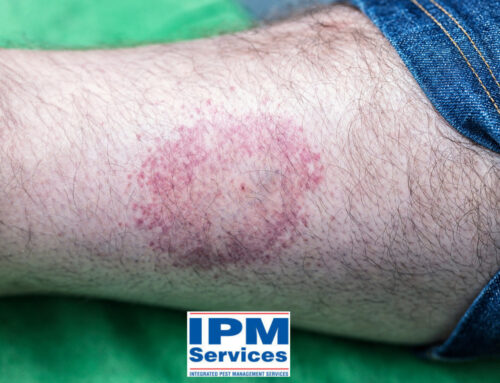
- Skin rash (in some cases)
These symptoms typically appear 2 to 14 days after being bitten by an infected mosquito and usually resolve on their own within a few days to weeks.
Severe Symptoms
Though rare, about 1 in 150 cases result in severe neurological conditions such as encephalitis (inflammation of the brain) or meningitis (inflammation of the membranes surrounding the brain and spinal cord). Symptoms of severe infection include:
- High fever
- Neck stiffness
- Muscle weakness or paralysis
- Tremors
- Disorientation or confusion
- Seizures
If you or someone you know experiences these severe symptoms, seek immediate medical attention.
Preventing West Nile Virus
The best way to avoid West Nile virus is by preventing mosquito bites. By taking a few simple precautions, you can significantly lower your risk.
1. Use Mosquito Repellent
Choose an EPA-approved insect repellent containing DEET, picaridin, IR3535, or oil of lemon eucalyptus. Apply it to exposed skin and clothing when going outdoors, especially during dawn and dusk when mosquitoes are most active.
2. Wear Protective Clothing
When heading outside, particularly in mosquito-heavy areas, wear long-sleeved shirts, long pants, socks, and closed-toe shoes. Light-colored clothing is less likely to attract mosquitoes.
3. Eliminate Standing Water
Mosquitoes lay their eggs in stagnant water. Regularly check your property for standing water in items such as flower pots, birdbaths, gutters, buckets, and unused tires. Removing these breeding grounds can dramatically reduce the mosquito population near your home.
4. Install or Repair Screens
Ensure that windows and doors are fitted with intact screens to keep mosquitoes from entering your home. Consider installing mosquito nets over beds for extra protection, particularly if you’re in an area experiencing an outbreak.
5. Stay Updated
Monitor updates from your local health department or mosquito control district. They often provide information about areas where mosquitoes have tested positive for WNV or where control measures (e.g., spraying) are being implemented.
Reducing Mosquito Populations Around Your Home
Aside from eliminating standing water, there are other steps you can take to make your home and yard less hospitable to mosquitoes.
- Maintain Swimming Pools and Hot Tubs: Keep them clean and properly chlorinated, as stagnant, untreated water attracts mosquitoes.
- Trim Vegetation: Overgrown grass and shrubs offer mosquitoes a place to rest during the day. Keep your yard well-maintained.
- Use Outdoor Fans: Mosquitoes struggle to fly in windy conditions, so setting up a fan on your patio or deck can be an effective deterrent.
- Consider Mosquito-Repelling Plants: Citronella, lavender, marigolds, and basil are natural mosquito repellents that can beautify your garden while keeping insects at bay.
Why Staying Informed Matters
Health officials in Kentucky are continuing to monitor the situation and take action to reduce mosquito populations in affected areas. By staying informed about local health alerts, you’ll know when the risk of infection is high and can adjust your habits accordingly. Public announcements often include information on mosquito testing results, areas of concern, and plans for mosquito control measures such as spraying.
Final Thoughts
The detection of West Nile virus in Kentucky’s mosquito population is a timely reminder of the importance of taking preventive measures against mosquito-borne illnesses. By staying informed, protecting yourself with repellents and appropriate clothing, and reducing mosquito breeding grounds, you can significantly lower your risk of exposure to this potentially serious virus.
For additional resources and updates, visit your local health department’s website or the Centers for Disease Control and Prevention (CDC). Small actions taken today can create a safer, healthier tomorrow for you and your community.